
This weekend spring has finally sprung! As we begin to thaw out from the winter doldrums we find a diverse offering of arts related activities to choose from. Two spectacular dance companies culminate their seasons, culture take to the streets of Harlem, and an opera diva graces the Apollo stage. Here are a few of the many events taking place around the city and in our community. Continue reading →
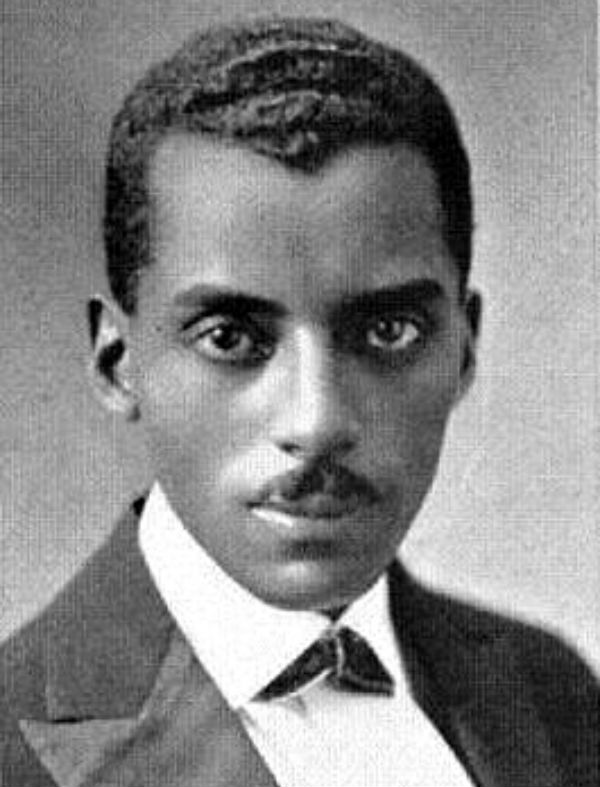
Egbert Austin “Bert” Williams (November 12, 1874 – March 4, 1922) was one of the preeminent entertainers of the Vaudeville era and one of the most popular comedians for all audiences of his time.
“(Bert Williams was)…central to the development of a global black modernism centered in Harlem’s Renaissance.”
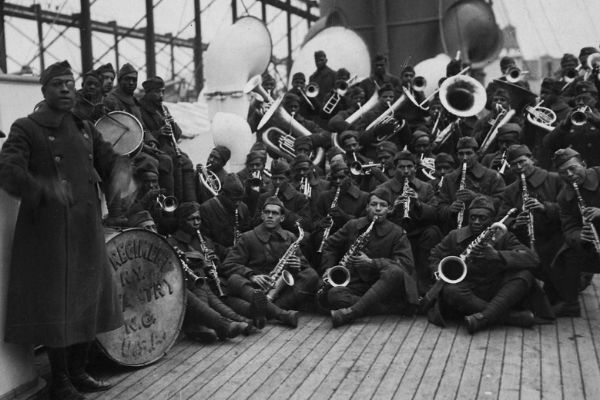
In 1910 Reese organized the Clef Club, a society for African Americans in the music industry. In 1912, they made history when they played a concert at Carnegie Hall for the benefit of the Colored Music Settlement School. The Clef Club Orchestra was the first jazz band to play at Carnegie Hall. It is difficult to overstate the importance of that event in the history of jazz in the United States — it was 12 years before the Paul Whiteman and George Gershwin concert at Aeolian Hall, and 26 years beforeBenny Goodman‘s famed concert at Carnegie Hall. Reese’s orchestra also included Will Marion Cook, who had not been in Carnegie Hall since his own performance as solo violinist in 1896. Cook was the first black composer to launch full musical productions, fully scored with a cast and story every bit as classical as any Victor Hugo operetta. In the words of Gunther Schuller, Reese “…had stormed the bastion of the white establishment and made many members of New York’s cultural elite aware of Negro music for the first time.” In other words, Europe provides a case as the very first example of jazz as a blues-based departure from ragtime.